


“Just One Small Change”—and Other Famous Last Words that Run Up OOH Production Debt
Report from the trenches by The Resize Guys’ Michael Brady


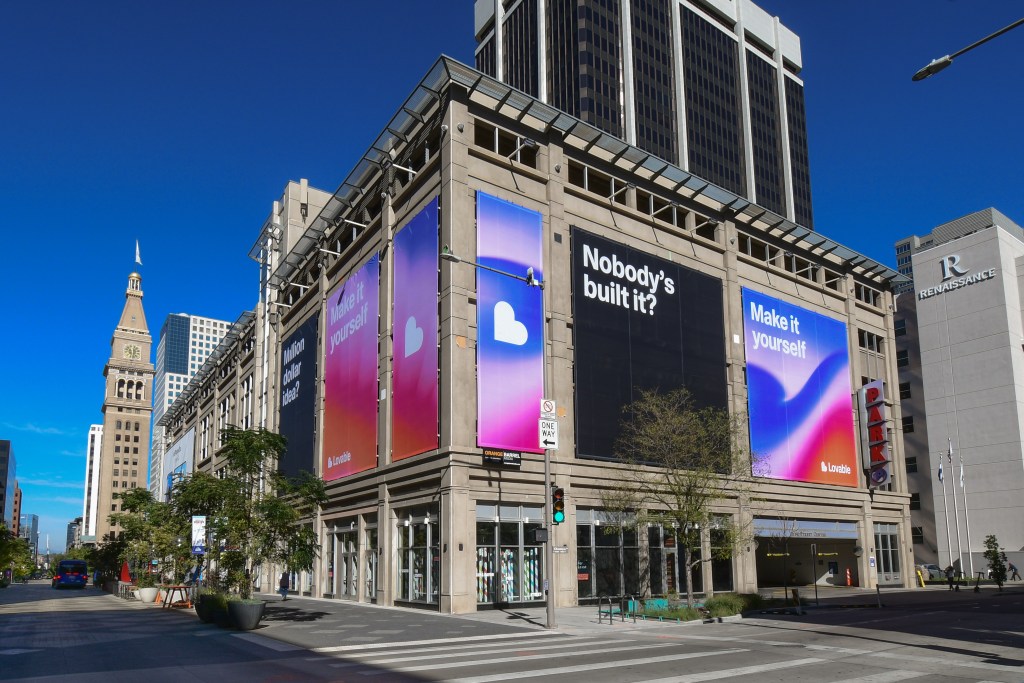
Lovable’s global brand campaign hit the streets of Denver, Boston, Seattle and more with The Resize Guys’ ensuring every asset was media-ready
By Michael Brady of The Resize Guys 
What a difference one little character can make.
All our client wanted was a plus sign added to the campaign copy, to highlight their “80+” locations. But since the request came to The Resize Guys in the ninth inning, after we’d built out all the OOH advertising campaign assets, it meant we had to rework almost 100 files – all at the last minute.
We still met the new requirements and delivered the campaign on time, but it came at a high cost – one many ad agencies are sorely familiar with.
Every unapproved or late-breaking decision like this on an advertising campaign contributes to something we call production debt. Inspired by the software industry’s concept of technical debt, the term refers to the accumulated risk and hidden cost created when production tasks are deferred or rushed under deadline pressure.
The costs show up in extra hours, rush fees, mounting deadline pressure and burned-out teams. Much of that debt builds during production, when approvals stall, specifications change and timelines tighten. But the cost extends beyond the scramble to deliver. It also includes the time and money spent creating assets that never get used.
The average Fortune 500 company could be wasting $25 million or more per year on content that never gets activated – translating to $100 billion in unused assets across the industry, according to a study by CreativeX.
That’s a lot of production debt.
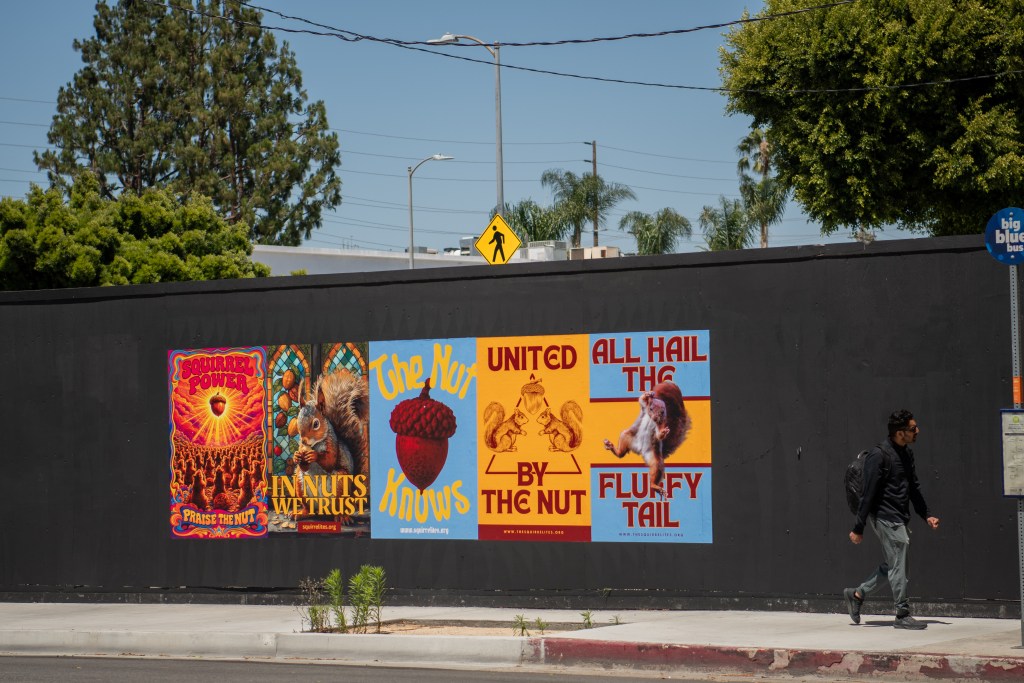
Canva’s “The Thing That Makes Anything a Thing” wild postings in LA, with creative by Quality Meats and mechanical production by The Resize Guys ![]()
Just as engineering teams who rush code to hit a deadline end up paying it back later through rework, ad agencies and brands that rush decisions or skip spec checks to hit a presentation or launch date end up paying it back through last-minute file rebuilds, missed deadlines, and even lost business.
In both cases, the shortcut isn’t free — it’s borrowed time, and the interest comes due later, sometimes at the worst possible moment.
Missing the launch for a one-month media buy by just one day can cost 3% of the total spend. And a blown launch date comes with an opportunity cost as well as a direct one, since the client is both paying for unused media space and potentially ceding that space to competitors.
Using upfront tools to trim tail-end production risk
The good news is that production debt can be managed and reduced, like any other business risk.
We’ve learned to look at an array of risks in evaluating the potential production debt on an advertising campaign and developed tools to help us head off problems. Among the top-line concerns these tools are built to identify: approval risk, technical specs risk, and timing risk.
Our standardized editorial checklist processes all our media planning and in addition to helping us identify potential choke points, allows us to quote quicker and more accurately. With it, we can create in 45 minutes a media plan that beforehand might have taken up to eight hours to develop.
We can identify how many unique file sizes there are and how many creative iterations of those files to expect. The tool scans the spec sheet to identify any mismatches. It picks up on language around approvals so we can flag it when a property owner needs to review the material 20 days ahead of launch.
But that’s not all brands and agencies need to do to minimize production debt.
Kickoff calls outlining expectations, timelines, media elements and file types included in the plan, as well as the details of media buys are still crucial to campaign certainty. Handled well, these discussions can surface disconnects between teams that would otherwise prove costly.
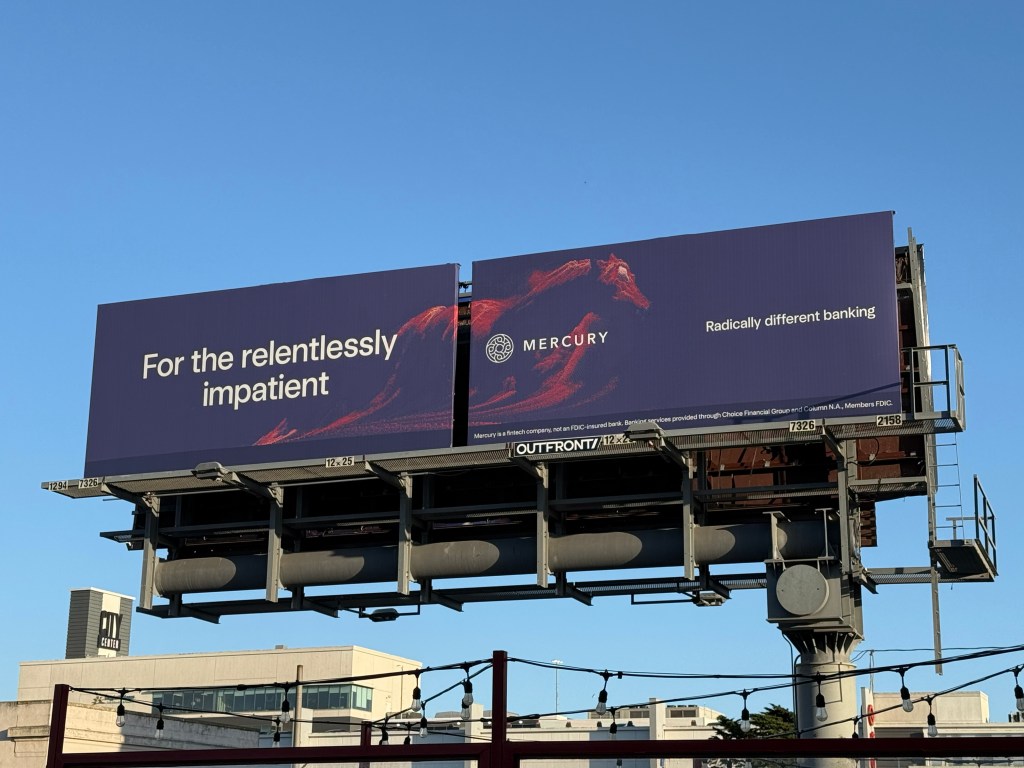
One of many Mercury billboards in San Francisco, where The Resize Guys adapted approved creative in Figma
How strong communication can reduce approval risk
At a previous ad agency, I was part of a team that sold a concept for a basketball campaign to Adidas. The creative team framed the photo shoot to cover a 14×48’, accounting for the landscape orientation.
But late in the process, we found the media buy was for a bus shelter. All of a sudden, a new design layout was needed and everything had to be resized for a vertical layout instead of a horizontal one.
Had there been clearer communication and decision-making early on between these teams, this production debt likely could have been avoided. Most of what’s in that pile of production debt results from decisions not made, checked, or communicated early enough.
Requests that arrive late in the process often use language like, “We just need to change the tagline” or “We just need to add legal to everything.” In these cases, “just” often means hours of additional work and potentially missing a deadline.
One trick we use to avoid such requests is our Initial Spec Audit. We ask for an upfront review of a small sample of files early, to allow us to identify and troubleshoot problems and get all stakeholders on the same page before production debt can begin to accrue. We also have producers ask for FPO art up front to identify any risks with either the images or the specs ahead of when the final art arrives.
We watch out for approval risk, which can be especially tricky in out-of-home campaigns, where approvers like property owners or government agencies may be operating under guidelines their ad agency or brand partners are not aware of beforehand.
In the Washington, DC, metro we’ve seen files rejected because they were deemed too political. In the New York subway system, approvers said no to art with too much white space because of the potential for graffiti – or to art including any elements that resembled graffiti.
Why AI will not save you from production debt
These days, some production debt can come from a newer tool that seems like it should save time: AI. While generating images might feel quick and easy using artificial intelligence instead of human design teams, when the files arrive at production, they can require multiple rebuilds and many hours.
A file created with graphic design software typically comes with source material and has layers that allow precision editing of the individual elements in the art. AI art is typically flattened into one layer and difficult to manipulate, even with the original file. It’s also likely to have a much lower resolution.
For one campaign, we received dozens of AI files, all created with a 72 dpi resolution – about enough clarity for a postcard, not the 4’x6’ poster the job called for. We were eventually able to rebuild most of the files so they were usable, which helped our relationship with a new client, but it put the deadline in jeopardy.
And such costs are surprisingly common, researchers are finding. More than three out of four employees say AI has increased their workload and lowered their productivity, according to a study from The Upwork Research Institute.
These days, we find that one of the most important ways we can increase productivity and campaign certainty is to anticipate and measure our production debt. The more issues we can identify upstream, the less pain we suffer downstream.
When we can avoid spending nights and weekends reworking files to meet immovable deadlines, we produce happier employees, cleaner campaigns, and more space in our schedule that can be filled with new business.
When we avoid spending nights and weekends reworking files to meet immovable deadlines, agencies protect their creativity, brands protect their investment, and media owners get assets on time.
With campaign certainty, everybody wins.
About the author:
Michael Brady is the founder and managing partner of The Resize Guys, a post-creative production agency built to help global brands, agencies, and media teams execute campaigns with speed, precision, and consistency. With more than 20 years of experience leading high-volume advertising production studios in the San Francisco Bay Area, Michael has supported major agencies and national brands across out–of-home, print and digital media. One of The Resize Guys’ specialties is helping brands that are new to OOH avoid production pitfalls when they launch or scale an OOH campaign for the first time. Contact brady@TheResizeGuys.com to learn more.


- Advertisement -

