


![]() Beyond the Stadium:
Beyond the Stadium:
How the World’s Biggest Brands Are Owning the Streets During FIFA
 Beyond the Stadium:
By Aubrey Lundgren | Lime Media
OOH Today – 6.25.26
The 2026 FIFA World Cup isn’t just the world’s biggest sporting event. It’s the world’s biggest cultural moment — and the brands that understand the difference are the ones showing up where culture actually lives. Not in broadcast slots. Not in stadium signage. On the streets, in the parking lots, outside the fan zones, and in the neighborhoods where millions of passionate fans are already gathered.
This summer, the most sophisticated brand strategies aren’t measured in TV ratings or digital impressions. They’re measured in presence — physical, mobile, and impossible to ignore. And the brands getting it right share one common instinct: meet the audience where they are, not where you wish they were.
The Street Is the Stadium
FIFA brings a different kind of energy than any other sporting event. It’s global, passionate, and deeply communal — fans don’t just watch the World Cup, they live it. They gather in groups, wear their jerseys everywhere, and turn ordinary public spaces into watch parties, celebrations, and moments of genuine connection.
That energy doesn’t stop at the stadium gates. It spills into city streets, retail corridors, parking lots, and neighborhoods across every host market. For brands, the opportunity isn’t just to be seen — it’s to be part of the moment. That requires presence, agility, and the ability to show up exactly where the culture is happening in real time.
Static advertising can’t do that. Mobile can.
Nike: Taking the Game to the People
Few brands understand cultural moments better than Nike — and this summer, they deployed two distinct mobile activations that brought the game directly to fans across the country.
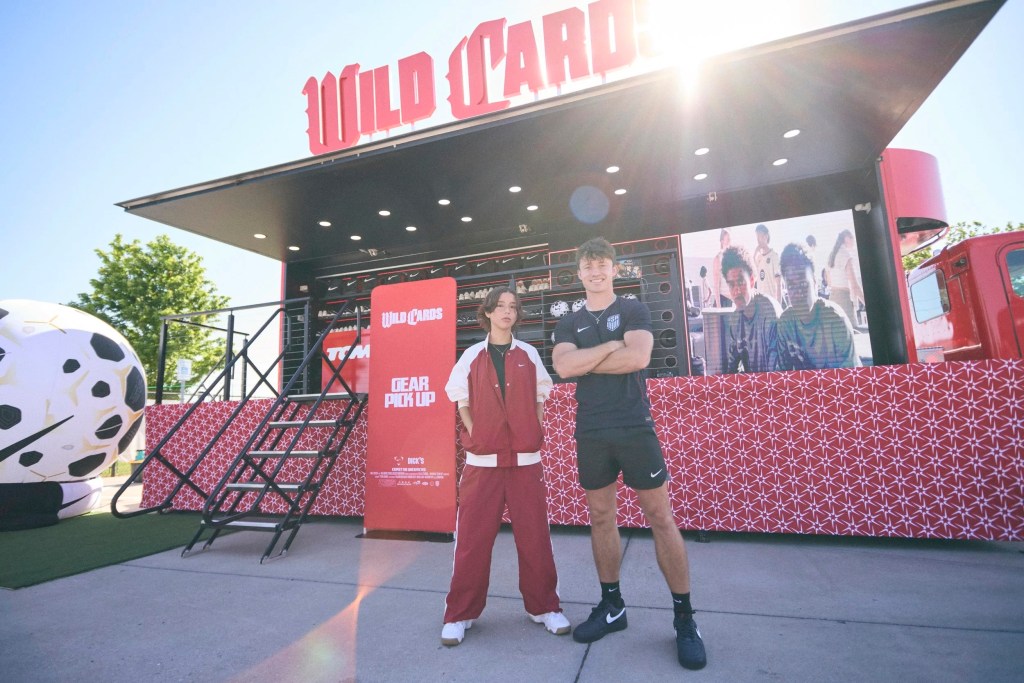
The first was the Nike TOMA Wild Cards Tour — a six-city, six-week nationwide talent search for the best young soccer players in America. Produced in partnership with EX Studios and Position Sports, and operated by Lime Media, the tour rolled from Kansas City to Dallas, Boston, Philadelphia, Houston, and Richmond between April 25 and May 31. Rather than waiting for fans to come to an event, Nike took the event to the fans — showing up in retail corridors and at tournament stops with a full street-soccer experience that turned parking lots into cultural destinations. Winners earned a shot at the Nike TOMA Soccer Finals in New York.
The second was Nike’s “Rip The Script” bus — produced in partnership with Episode.1 and Champs Sports, and operated by Lime Media. Rolling through Miami, Philadelphia, and New York’s Greenpoint Terminal, the mobile experience brought games, food trucks, giveaways, and full soccer celebration energy to fans in their own cities—no ticket required. No stadium needed. Just show up in your jersey.
Both activations share the same strategic instinct: the most powerful brand moment during FIFA isn’t the one you buy — it’s the one you create on the street, in the moment, where fans are already gathered.
JD Sports: The Bus That Became the Campaign
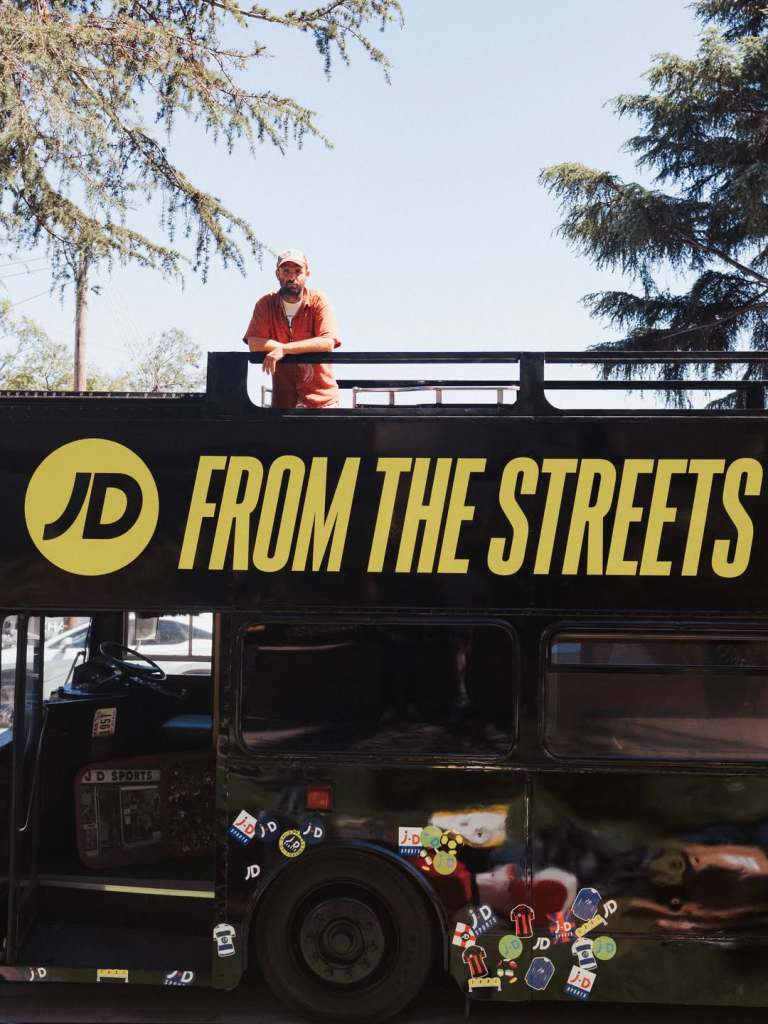
When JD Sports wanted to launch their FIFA World Cup 2026 apparel collection, they built the entire campaign around a mobile experience. A 32-foot double-decker bus — fabricated by Lime Media — became the centerpiece of JD Sports’ FIFA marketing push, hitting the streets of LA and NYC and driving consumers directly to their latest World Cup collection under the campaign theme “Steeped in Football History.”
The bus wasn’t supporting the campaign. It was the campaign. In two of the country’s most competitive media markets, a mobile brand experience cut through in ways that static placements simply can’t — creating street-level moments that drove both foot traffic and social sharing simultaneously.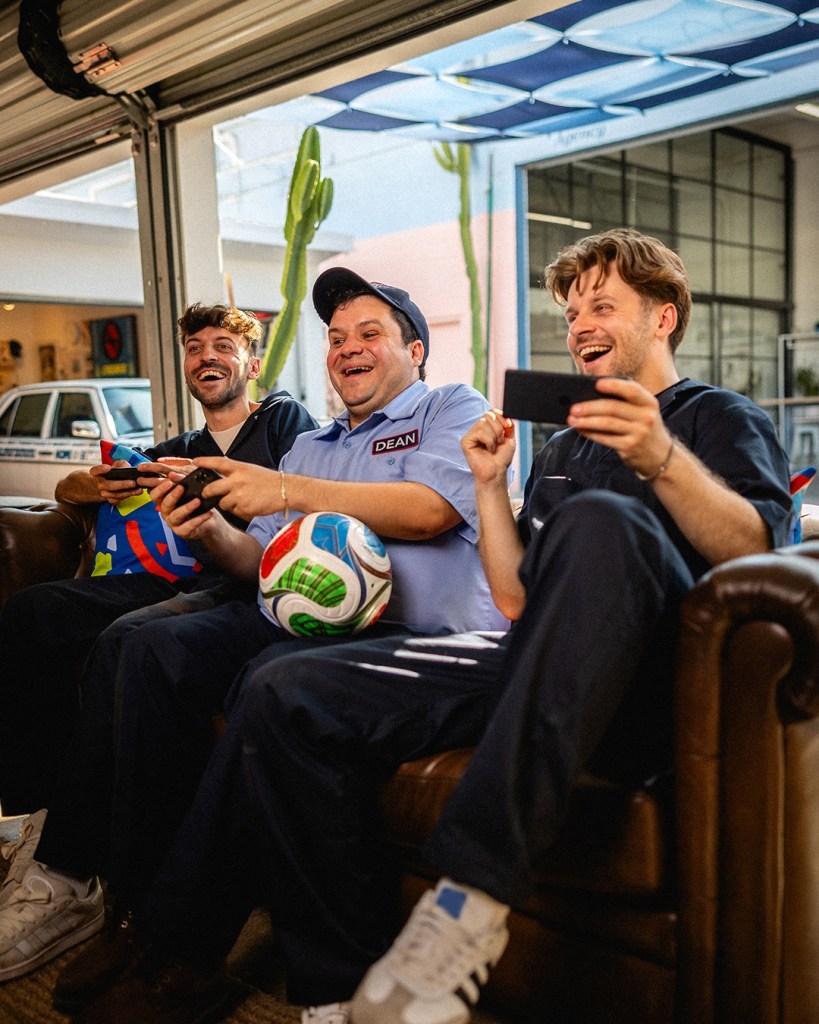
Episode.1: The Living Room Comes to You
Not every FIFA activation needs scale to make an impact. Episode.1 took a deliberately intimate approach — deploying a wrapped step van with Starlink WiFi across East and West Coast markets between June 1 and July 17, popping up at guerrilla locations to create the ultimate FIFA Couch Party—a fake living room. Unexpected locations. Pure content energy.
It’s the kind of mobile activation that doesn’t look like advertising — it looks like something you want to be part of. And in the social media era, that distinction is everything. The truck became a content generator, an earned media driver, and a genuine cultural moment — all from a single mobile asset moving through markets in real time.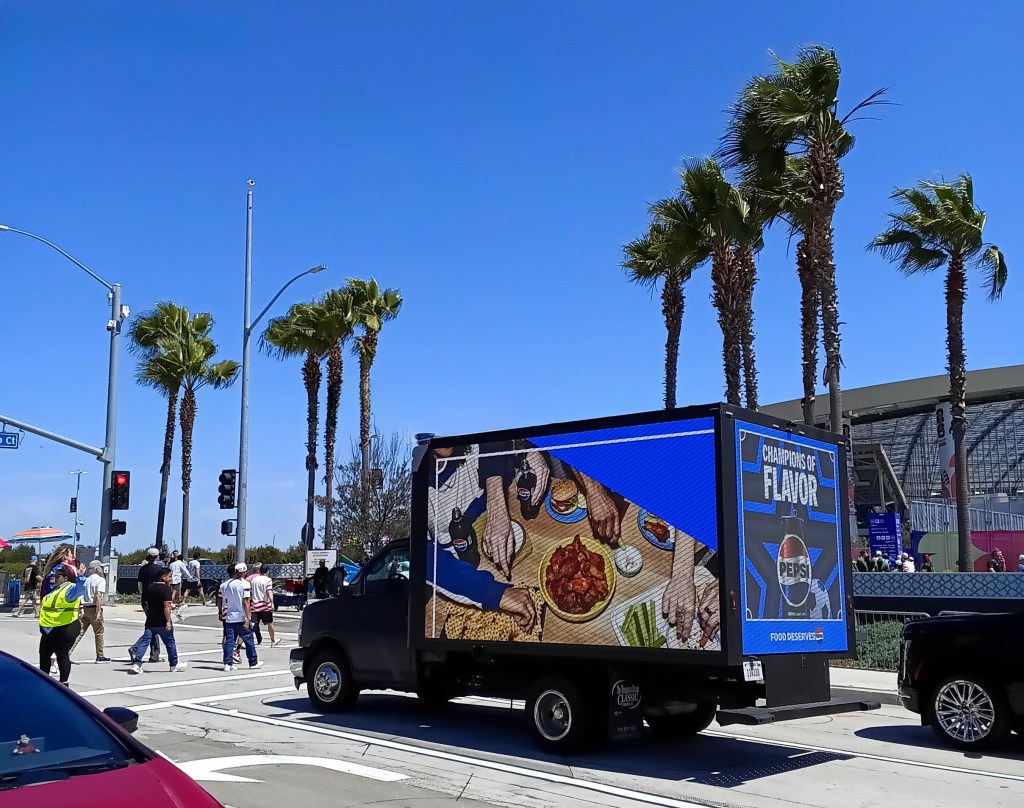
Pepsi: Owning the Host Cities at Scale
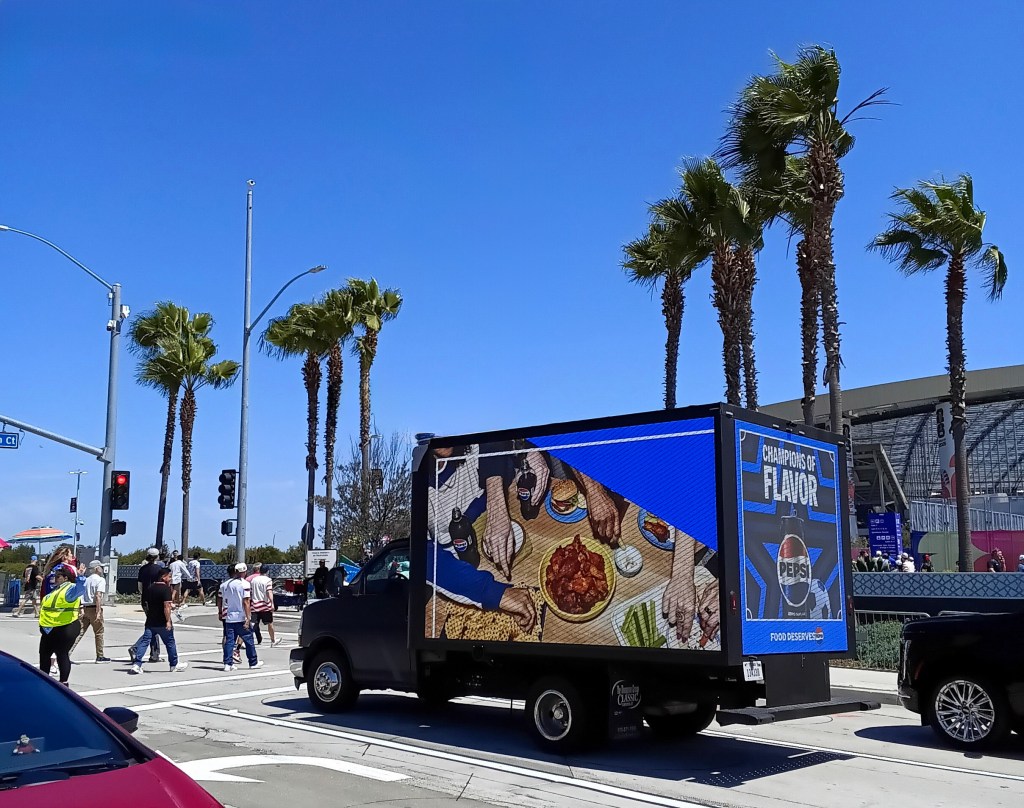
Supporting the “Soccer Deserves Pepsi” campaign, Lime Media deployed multiple LED billboard trucks across FIFA host city markets throughout the tournament window — putting the Pepsi brand exactly where the energy was. LA, Seattle, Boston, Miami, Kansas City, DFW, Atlanta, and New York all saw Pepsi on the streets, with multiple trucks running simultaneously in key markets at peak moments throughout the tournament.
Here is where mobile OOH’s advantage really stands out. While static placements stayed fixed, Pepsi’s LED trucks moved with the tournament — shifting markets, scaling up in host cities on match days, and showing up at exactly the right moment in exactly the right place. Flexible, measurable, and built for the moment.
What This Summer Is Proving
Five campaigns. Five brands. Five completely different approaches to the same cultural moment. What they share is a strategic understanding that FIFA isn’t just watched — it’s experienced. And the brands creating physical presence in the real world, where fans actually are, are generating a different kind of connection than any digital campaign can replicate.
Mobile out-of-home advertising — whether it’s an LED billboard truck running routes through a host city or a fully wrapped experiential vehicle creating moments at street level — gives brands the agility to go where the culture goes. To show up in real time. To be part of the moment rather than adjacent to it.
The stadium was full. So were the streets. And the brands that understood that distinction are the ones fans will remember long after the final whistle.
To learn more about Lime Media’s mobile OOH and experiential capabilities, visit lime-media.com
About Lime Media
Founded in 2005, Lime Media is a leading mobile experiential marketing company delivering turnkey, high-impact brand campaigns nationwide. With the industry’s largest experiential fleet- 250+ assets, including 80+ owned and operated LED billboard trucks- Lime offers unmatched scale, mobility, and visibility.
Backed by real-time data, verified measurement, and in-house production and logistics expertise, Lime transforms street-level engagement into accountable, results-driven performance for the world’s leading brands and agencies. https://lime-media.com/


- Advertisement -

