


When Bus Riders Are Treated Like Second-Class Citizens
9 Irrefutable Points Municipalities Need to Get Their Act Together Over



When Bus Riders Are Treated Like Second-Class Citizens
by Lynn Terlaga, Municipal Affairs at COA – Partnering with municipalities and transit authorities to provide cost-free infrastructure.
Public transit is meant to connect people to opportunity, employment, and community life — the great equalizer of mobility. Yet for millions of Americans, the daily reality of riding the bus is defined by discomfort, neglect, and indignity.
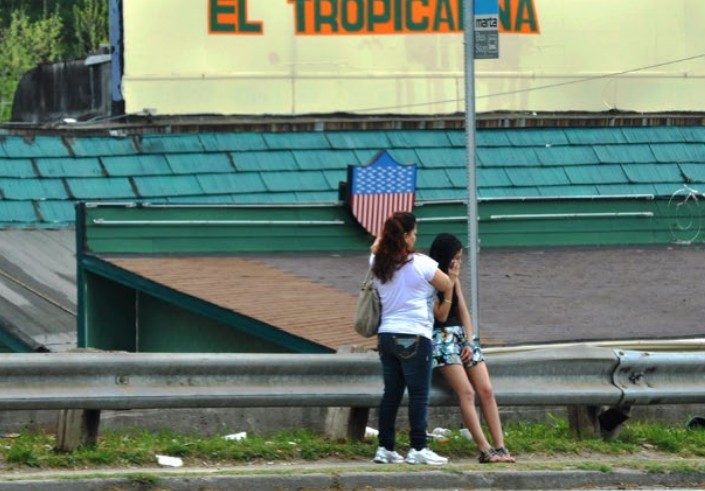
Across cities and suburbs alike, too many bus stops are little more than a pole in the dirt, lacking ADA-compliant seating. It’s not just inconvenient — it’s inequitable. The message, intentional or not, is clear: bus riders are treated as second-class citizens.
Bus stops are nothing more than a pole in the dirt without ADA-compliant seating. …intentional or not, is clear: bus riders are treated as second-class citizens.
- The Dignity Divide in Transit
Drivers enjoy climate-controlled vehicles and paved parking lots. Cyclists find bike racks and repair stations. But bus riders — who are often the least resourced and most transit-dependent — are left without even a place to sit.
This lack of infrastructure reflects how we value people in the transportation hierarchy. When a city prioritizes cars and neglects bus riders, it signals whose comfort matters and whose doesn’t.
Transit isn’t just about moving people — it’s about affirming their dignity in public space.
- The Economics of Neglect
While cities spend billions improving roads and managing parking, basic bus stop infrastructure remains one of the most underfunded aspects of public transportation.
Key facts:
- Only 24% of U.S. bus stops have a bench or shelter (TransitCenter “Who’s on Board”).
- Older adults make up more than 20% of fixed-route riders, a number that will rise as populations age.
- Lack of seating disproportionately harms seniors and mobility-challenged riders, who are more likely to rely on transit and less able to stand for long waits.
- The cost barrier is significant: installing a single ADA-compliant stop — with bench, pad, and trash receptacle — can range from $5,000 to $15,000, plus $500–$2,000 per year in maintenance.
For agencies already facing budget shortfalls, these costs are prohibitive. The result? Thousands of “ghost stops” nationwide — unsafe, inaccessible, and often noncompliant with ADA standards.
-
- Infrastructure Inequality and Social Equity
Public transit is often called “the great equalizer,” but when bus stops lack basic infrastructure, it deepens inequality instead of bridging it.
- Nearly half of U.S. bus stops are not fully ADA-compliant (U.S. Department of Transportation).
- 70% of seniors say they would use public transit more often if stops were comfortable and accessible (AARP).
Without benches or pads, older adults and those with disabilities are effectively excluded from participation in public life. What seems like a small design oversight becomes a daily barrier to independence, health, and civic engagement.
A bus stop without a seat isn’t just a missed design opportunity — it’s a missed act of respect.
A bus stop without a seat isn’t just a missed design opportunity — it’s a missed act of respect.
- The Hidden Costs of Neglect
Neglecting basic infrastructure has ripple effects far beyond discomfort:
- Reduced ridership: Riders are 50% more likely to use a stop that includes seating.
- Increased paratransit costs: When fixed-route service is inaccessible, cities must provide expensive paratransit trips, which can cost up to $60 per ride.
- Public perception: Poorly maintained stops create an image of neglect, discouraging both riders and investment.
- Climate impact: When people abandon transit for cars, emissions rise, undermining city sustainability goals.
Equity, safety, and sustainability all begin with design — and the design of bus stops matters.
-
- The COA Solution: Comfort, Access, and Zero Cost to Cities
For over 41 years, Creative Outdoor Advertising (COA) has worked with more than 320 municipalities to address this very challenge: transforming neglected bus stops into clean, safe, ADA-compliant public spaces — at no cost to cities or taxpayers.
no cost to cities or taxpayers
How It Works
COA’s public-private partnership model funds transit seating through tasteful, local business sponsorships. Each installation is professionally designed, installed, and maintained to meet city standards.
Each COA bench is:
-
- ♿ ADA-compliant for accessibility and comfort
- 🧱 Durable & vandal-resistant, built to last with minimal environmental impact
- 🛠️ Professionally installed, including concrete pads where needed
- 🧹 Fully maintained, cleaned, and repaired regularly by COA
- 🛡️ Insured & indemnified, covered under $5 million liability protection — zero risk to the city
- Community and Economic Impact
COA’s model isn’t just about benches — it’s about building stronger, more inclusive communities.
- Local business growth: Sponsorships give small businesses affordable neighborhood visibility, driving both commerce and community pride.
- Reduced costs for cities: Maintenance, cleaning, and insurance are all handled by COA, freeing municipal budgets.
- Safer, cleaner streets: Regularly maintained furniture reduces litter, vandalism, and blight.
- Accessibility & equity: Seniors and people with disabilities gain independence and comfort.
- Environmental benefits: More comfortable, accessible bus stops encourage ridership and reduce car dependency.
As planners often say, small interventions add up to significant change. A simple bench can transform a barren stop into a civic space of inclusion.
Small interventions add up to significant change
- Data-Informed Placemaking
Data, not default, should guide bus stop design. Studies consistently show that accessibility correlates directly with ridership retention — and that providing comfort increases transit use by up to 50%.
When stops are dignified, clean, and accessible, people perceive transit as a viable, respectable option. This is how cities move closer to their climate, equity, and mobility goals — not just through large capital projects, but through consistent, human-centered design.
- A Partnership That Works
COA’s seating and recycling partnerships share a proven, transparent structure that benefits both cities and residents.
COA Provides: ✅ Installation, cleaning, and complete maintenance ✅ ADA-compliant designs with concrete pads ✅ $5 million indemnification coverage ✅ Tasteful, city-approved local sponsorships ✅ A sustainable, data-driven program
Cities Receive: ♿ Dignified, accessible infrastructure 💼 No cost, no maintenance, no risk 💬 Positive community engagement 🌿 Alignment with sustainability, equity, and accessibility goals.
This model has been refined over four decades to help municipalities achieve visible, measurable improvements — without budget strain or administrative burden.
- Dignity Is a Policy Choice
Public infrastructure communicates public values. When bus stops are neglected, it tells riders that their time and comfort don’t matter. But when cities invest — even symbolically — in better seating, accessibility, and cleanliness, it tells a different story: you belong here.
Every bench, every ADA pad, every maintained bus stop is an act of inclusion.
Every bench, every ADA pad, every maintained bus stop is an act of inclusion.
With COA’s cost-neutral partnership model, cities can elevate the bus rider experience, support small businesses, and advance sustainability goals — all without spending a single tax dollar.
Because dignity shouldn’t depend on how you travel.
Learn More
If your city or transit agency is exploring ways to improve public space infrastructure without increasing costs, COA’s program offers a proven path forward.
📅 Schedule a 15-minute briefing to see how this partnership can support your community. 🌐 Learn more at www.creativeoutdoor.com
-
![For the LOVE of OOH! Please subscribe]()
For the Love of OOH: Please Subscribe!


- Advertisement -

