


Re-entry’: what it is and why it matters to OOH
by Martin Firrell, 25 years of Socially Engaged Public Art with Out Of Home
It occurs in as many as seven ‘layers’ or ‘feedback loops’ in Shakespeare’s plots.
Some believe it is the mechanism behind our experience of consciousness.
It makes OOH one of the most powerful mediums in the world.
My studio has worked very successfully with OOH around the world since 2001. (So no false modesty.) In that time, we have demonstrated that OOH, as the most public of forums, can move public perception in deep and important ways.
The mechanism behind this effectiveness is ‘re-entry’. Re-entry creates the fundamental difference between messages witnessed publicly (like OOH), and privately (like social media). Re-entry is simple but subtle. So concentrate.
When a message is available to many people in the public space, each person has to decide what their own relationship with the message is: ‘Do I agree? Do I disagree? Do I like it? Do I loathe it?’ and so on.
But it is also human nature to speculate what the other people in public space are thinking and feeling: ‘Do they like it? Agree with it? Loathe it?’ etc.
‘Re-entry’ starts innocently enough with thoughts like, ‘What do I think other people think I think about this message?’ And then it starts to get more complex and more compelling.
Shakespeare creates as many as seven layers of re-entry in his plays. That means some of his characters ask themselves, ‘What do I think they think I think they think I think they think I think about this?’
The capacity to generate re-entry is the greatest test of any message destined for OOH. Ask yourself, ‘Will this message make anyone wonder how they feel about it and how others feel about it? If the answer is ‘no’ then the message is not as hardworking as it could be.
The capacity to generate re-entry is the greatest test of any message destined for OOH. Ask yourself, ‘Will this message make anyone wonder how they feel about it and how others feel about it? If the answer is ‘no’ then the message is not as hardworking as it could be.
I showed ‘All Men Are Dangerous’ on OOH in 2019 and it generated re-entries like, ‘Who do I think the men in this message are? Who do other men think the men in this message are? Why is this message in the street now? Is it true? Do other people think it’s true? Do other people think I think it’s true’ and so on.
Most recently, I’ve been showing ‘Acts of Pride’ to coincide with LGBT+ Pride marches across Europe. It’s my first work exclusively for Bauer Media Outdoor. I am pleased with the simplicity of the idea that celebrating in challenging times is political. The re-entries have been rich and raucous: ‘Am I glad you came? Do I think you’re glad I came? Do I think you think I think I’m glad you came?’ and so on.
Have you ever wondered how cats see in the dark? Certain cells in their retinas act as mirrors. When light strikes the cat’s eye, the eye itself reflects the light back through the retina to reinforce the image. In effect the image is ‘re-entered’. (It’s also why cats’ eyes shine in the dark.)
Re-entry works in the same way but with ideas rather than light. OOH delivers the idea, but re-entry bounces the idea back and forth, implicates both individual and group opinion, makes the idea catch the imagination and play on the mind.
re-entry bounces the idea back and forth, implicates both individual and group opinion, makes the idea catch the imagination and play on the mind.
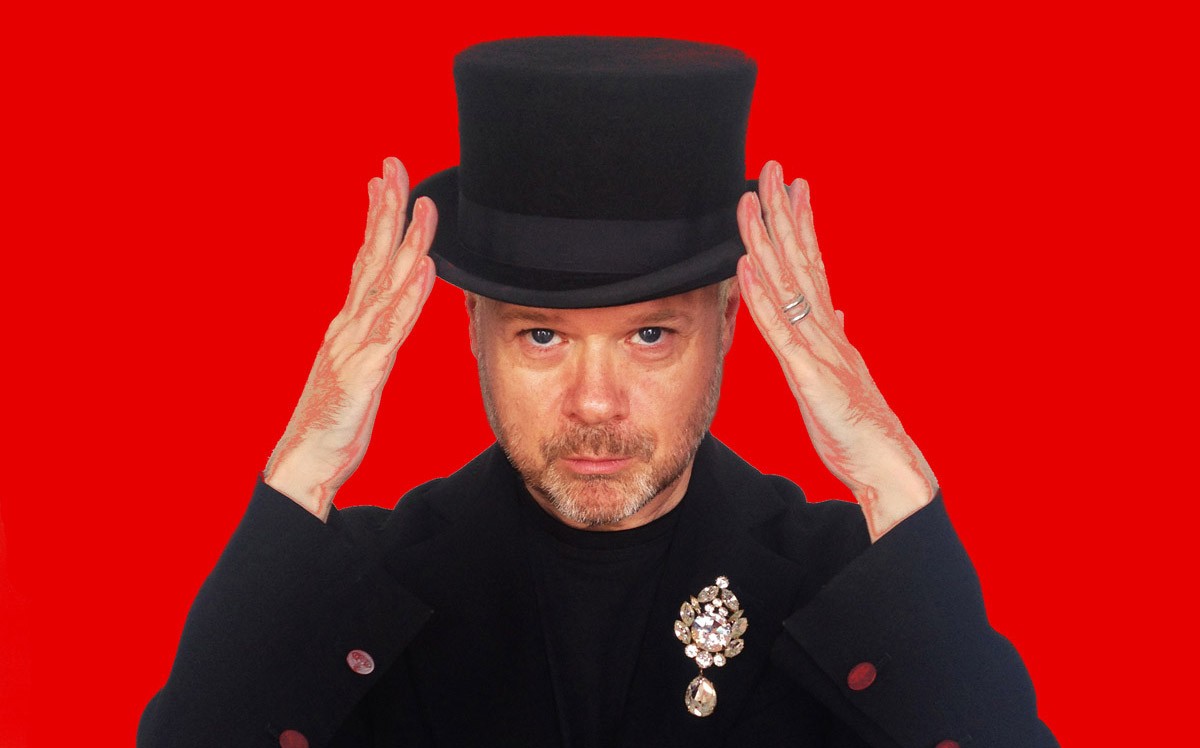
Martin Firrell is a British contemporary artist known for public artworks on billboards around the world. www.martinfirrell.com


- Advertisement -

