



Best Practices for Running Mobile Billboard Campaigns: Insights from a Nationwide Fleet Operator
Mobile billboards have moved beyond novelty status

Best Practices for Running Mobile Billboard Campaigns: Insights from a Nationwide Fleet Operator
Out-of-home advertising is undergoing significant evolution. While digital media dominates discussions around targeting and technology, OOH has quietly developed into a channel that combines physical presence with data-driven flexibility. One of the fastest-growing segments of this evolution is mobile digital advertising, particularly LED billboard trucks.
Mobile billboards have moved beyond novelty status. When executed effectively, they offer advertisers a combination of scale, reach, and precision that static placements cannot match. Campaigns can range from national brand launches to hyper-local retail initiatives, demonstrating the versatility of mobile LED trucks across markets.
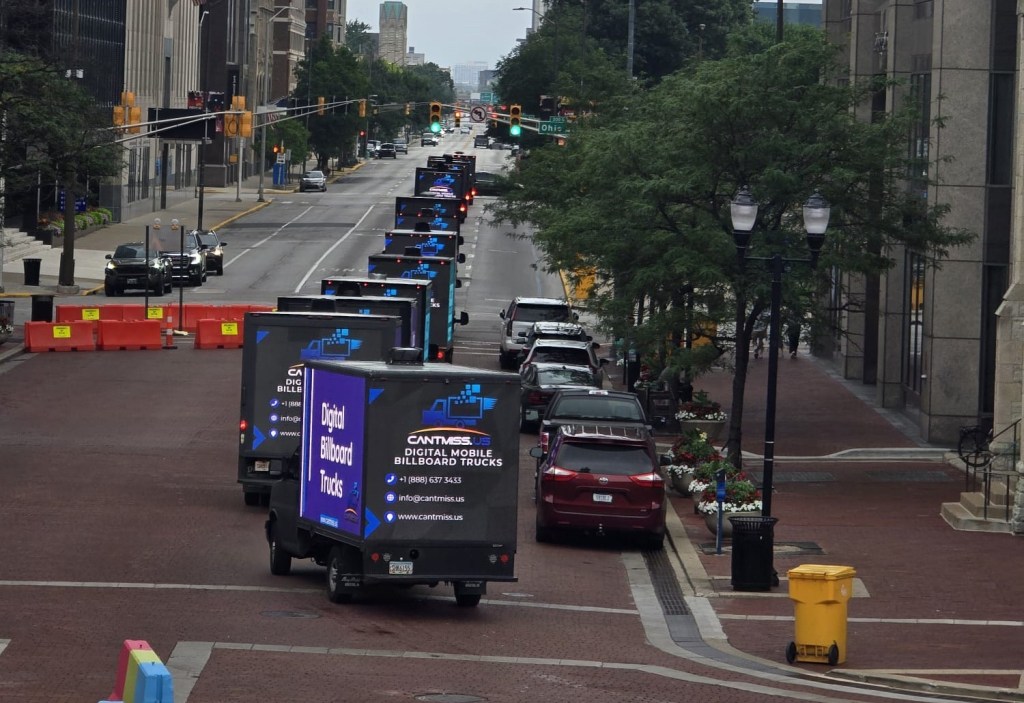
Can’t Miss US, recognized as the operator of the largest fleet of digital mobile billboard trucks in the United States, illustrates the benefits of scale in mobile OOH. Large-scale operations provide advertisers with the ability to deploy multiple trucks across cities, saturate high-traffic zones, and synchronize campaigns for maximum exposure. These advantages are particularly valuable for brands and agencies looking to extend reach efficiently and strategically.
Strategy as the Foundation
Effective mobile billboard campaigns begin with clearly defined objectives. Advertisers must determine whether the goal is building brand awareness, driving retail traffic, promoting events, or supporting product launches. Each objective informs route planning, creative design, and measurement strategy.
Understanding the target audience is equally critical. Knowing where potential consumers live, shop, commute, and gather ensures that trucks pass through high-impact locations such as neighborhoods, retail corridors, entertainment districts, and event zones. Without strategic planning, even the most advanced LED displays may fail to deliver meaningful results.
Creative Clarity and Impact
Outdoor advertising relies on rapid communication. Research highlights that viewers have only a few seconds to process messages, making clarity and visual impact essential. Mobile billboard campaigns benefit from bold visuals, minimal text, and a single focused message.
Effective creative often includes:
- A striking image that communicates instantly
- High-contrast colors for readability at a distance or in motion
- Short, concise text generally under seven words
- A single central message, avoiding clutter
Localizing messaging enhances effectiveness. Including references to neighborhoods, cities, or regional culture can increase engagement and recall. LED technology allows for dynamic content rotation, enabling time-of-day messaging or geographically tailored promotions to reach viewers in contextually relevant ways.
Optimizing Routes and Schedules
Mobility is the defining advantage i mobile billboards. High-performing campaigns select routes based on traffic patterns, pedestrian density, and areas of concentrated consumer activity. Common high-impact zones include commuter routes, shopping districts, entertainment venues, campuses, and areas near competitor locations for retail promotions.
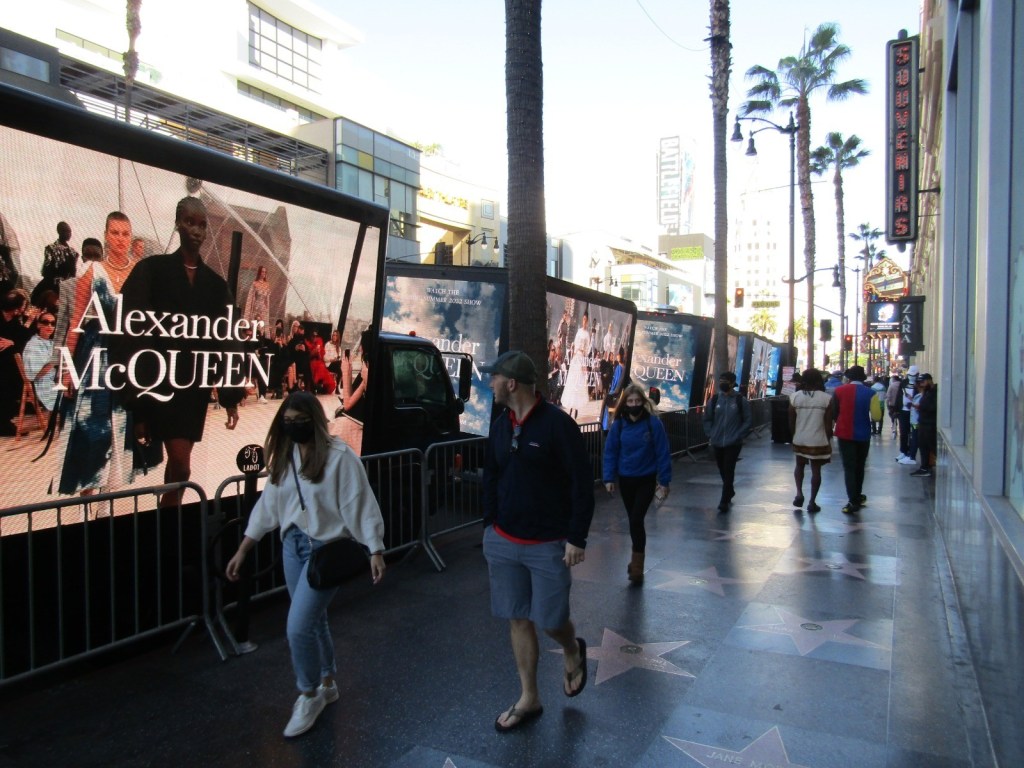
Timing complements route selection. Peak exposure is achieved by aligning campaigns with rush hours, lunch periods, weekends, and event schedules. Campaigns that disperse trucks widely across multiple cities build broad awareness, while concentrated deployments around key locations maximize foot traffic and conversions. Data-informed planning ensures that mobility is leveraged strategically rather than arbitrarily.
Integrating Mobile Billboards with Other Digital Channels
Pairing mobile OOH with digital and mobile channels enhances campaign effectiveness. Mobile retargeting, QR codes, vanity URLs, and synchronized paid search or display campaigns allow advertisers to translate exposure into measurable engagement.
This integrated approach positions mobile LED truck campaigns as both awareness drivers and contributors to full-funnel marketing performance, providing tangible metrics that can inform ongoing optimization.
Duration, Frequency, and Optimization
Frequency and repetition are key to building recall. Single passes rarely achieve lasting impact. Effective campaigns plan multiple exposures over days or weeks to reinforce messaging.
Campaign duration should align with objectives. Awareness campaigns benefit from extended multi-week deployments, often across multiple neighborhoods or cities. Short-term high-intensity campaigns are more suitable for promotions, events, and retail launches.
Measurement and optimization are integral. Route tracking, impression modeling, and digital analytics allow advertisers to monitor performance, refine routing, adjust creative, and ensure objectives are met efficiently.
The Advantages of Scale
Operating a nationwide fleet provides capabilities beyond those of smaller operators. Large-scale operations enable:
- Multi-market synchronization across cities or regions
- Market saturation through multiple trucks covering high-traffic areas
- Diverse routing to reach different demographics within a single market
- Operational flexibility for real-time adjustments
- Consistent reporting for national campaigns

Scale transforms mobile LED trucks from a local or experimental tactic into a reliable platform for large-scale campaigns, offering advertisers strategic flexibility and measurable results.
Ideal Use Cases for Mobile Billboard Truck Campaigns
Mobile billboard trucks are particularly effective in scenarios such as:
- Rapid brand awareness across new markets
- Promotion of time-sensitive events or sales
- Geo-targeted campaigns in specific neighborhoods or retail corridors
- Visibility at campuses, festivals, or public events
- Cross-channel initiatives linking physical impressions to digital engagement
- Synchronized national or multi-city activations
Their adaptability allows advertisers to respond quickly to market conditions while maintaining broad or targeted reach.
Conclusion
Mobile billboard trucks are a dynamic addition to the modern OOH landscape. They combine visibility, creative flexibility, mobility, and data integration, allowing campaigns to deliver both awareness and measurable performance. Strategic planning, clear objectives, disciplined creative execution, smart routing, and cross-channel integration are the keys to success.
For advertisers seeking a format that bridges physical and digital media while maintaining both national scale and local precision, mobile billboard campaigns offer an effective, high-impact solution that deserves a central place in contemporary media planning.
Author Bio
Can’t Miss US owns the largest fleet of digital mobile billboard trucks in the United States. The company provides full-scale DOOH activation for brands, agencies, events, and political campaigns nationwide, specializing in multi-market deployment, geo-targeted messaging, and integrated OOH strategies that combine real-world reach with measurable digital performance.


- Advertisement -


Great article—this post highlights some really smart strategies for mobile billboard campaigns: clear objectives, sharp creative, route-and-timing planning, and integrating outdoor ads with digital channels. As someone who writes about advertising and marketing on WordPress, I particularly appreciate the emphasis on measurable, data-driven planning—that’s often missing in many OOH campaigns. Looking forward to applying these ideas in future campaigns and sharing case studies on my blog.
[…] Static mobile billboards continue to represent the majority of mobile out-of-home campaigns, offering consistent message delivery, cost efficiency, and strong brand recall across repeated exposures. Unlike digital formats, static executions rely on disciplined creative and strategic routing to maintain visibility and effectiveness over time. […]