


What Media Buyers Often Misunderstand About Mobile Billboard Advertising
3 persistent assumptions of Mobil Billboards

Mobile billboard advertising isn’t new anymore, but it’s still widely misunderstood. That becomes obvious pretty quickly in planning conversations. Someone will ask where the trucks drive, someone else will ask how many impressions it gets, and sooner or later the format gets summed up as “basically a moving digital screen.”
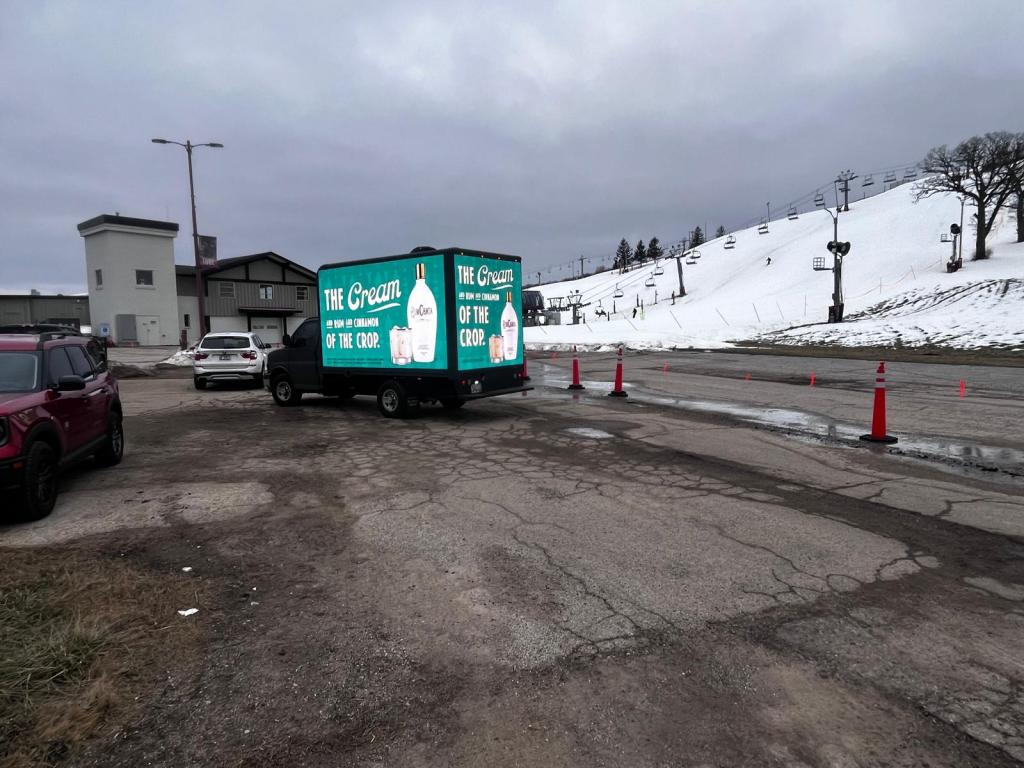
That framing misses how mobile billboards actually work.
When planned correctly, mobile OOH behaves less like a novelty and more like a flexible, tactical layer within a broader out-of-home strategy. Most of the confusion comes from a few persistent assumptions that don’t hold up in real-world deployments.
Here are three of the most common ones.
“It’s just a moving screen”
This is usually the first misconception to surface, and it’s an understandable one. If you only think of mobile billboards as something that drives past you once, motion feels like the entire value.
In practice, constant movement is rarely the goal.
Most effective mobile billboard campaigns rely on controlled presence. Trucks spend a surprising amount of time stopped or moving slowly in places where people already linger, outside venues, near convention centers, along congested corridors, or close to major pedestrian crossings. Those pauses are intentional. They create repetition, and repetition is what drives recall.
It’s not unusual for a mobile billboard to be seen multiple times by the same audience within a short window, especially around events or high-traffic locations. That kind of exposure is hard to replicate with fixed placements alone.
At Can’t Miss US, which runs the nation’s largest fleet of digital mobile billboard trucks, the conversation often turns to explaining that the most important part of a campaign isn’t how far a truck travels, it’s where it stays put.
“Route planning is flexible, but not really strategic”
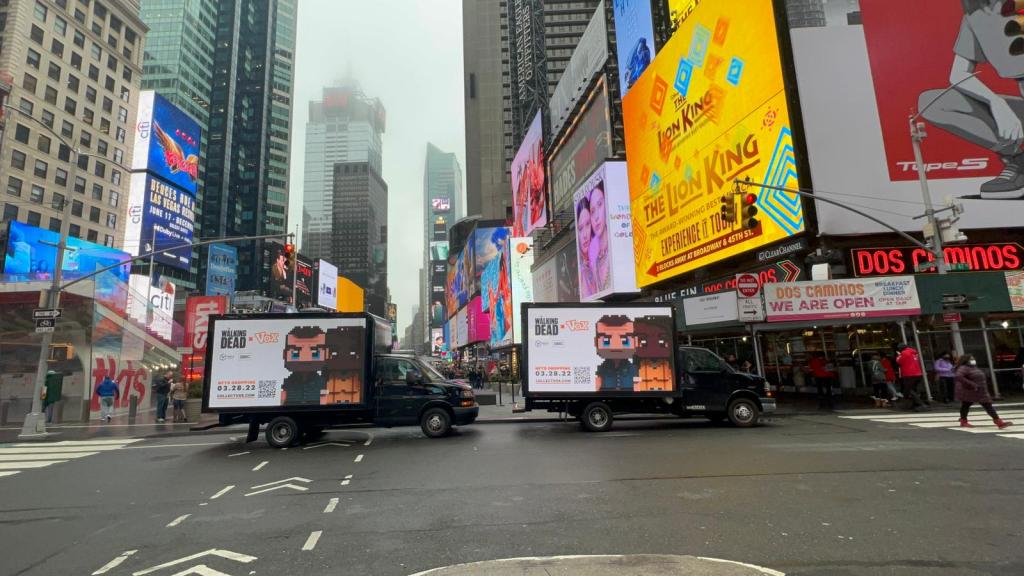
Another assumption is that routing is loose by nature. Pick a neighborhood, avoid restricted streets, and let the billboard truck circulate. From the outside, it can look improvised.
Behind the scenes, it usually isn’t.
Route planning is one of the most deliberate parts of a mobile billboard campaign. It takes into account traffic patterns by time of day, pedestrian density, visibility angles, signal timing, and even how crowded an area feels visually. A street with heavy traffic isn’t always a good street if no one can actually see the screen.
Most routes aren’t single paths; they’re sequences. A billboard truck might move during commute hours, pause near lunch destinations midday, then reposition around an evening event. That structure gives planners more control, not less.
This is also where mobile DOOH quietly outperforms static placements. Routes can change mid-campaign. Timing can shift. Messaging can be aligned to specific moments instead of being locked in for weeks.
At Can’t Miss US, a lot of early conversations are spent walking buyers through this process, because once routing is understood, the rest of the plan usually makes more sense.
“Measurement is mostly guesswork”
Measurement is where skepticism tends to peak. Since mobile billboards aren’t tied to a fixed address, some buyers assume audience estimates are either inflated or too vague to be useful.
The reality sits somewhere in between.
Mobile billboard measurement doesn’t rely on a single impression number. Instead, it combines traffic counts, pedestrian volume, dwell time, campaign duration, and historical performance from similar deployments. The result isn’t artificial precision—it’s a realistic audience range that planners can actually defend.
That approach isn’t unique to mobile OOH. It’s similar to how many event-driven or high-density OOH placements are evaluated, especially when attention and context matter more than raw reach.
What does make a difference is timing. Campaigns that are planned collaboratively—where routes, schedules, and goals are defined early—tend to produce cleaner estimates and more meaningful post-campaign analysis.
Companies that run a high volume of campaigns, including Can’t Miss US, often emphasize this upfront, simply because it avoids frustration later.
Rethinking Mobile Billboards in the OOH Mix
Most misunderstandings around mobile billboard advertising come from treating it as something separate from “real” OOH. Once that mindset shifts, the format becomes easier to evaluate.
Mobile billboards aren’t meant to replace static placements. They’re meant to add flexibility, geographic, temporal, and creative, where fixed assets fall short. Used thoughtfully, they function less like moving billboards and more like adaptable OOH units that respond to what’s happening on the ground.
As mobile OOH continues to mature, education remains the biggest unlock. When media buyers understand how campaigns are actually routed, deployed, and measured, mobile billboards stop feeling experimental and start feeling intentional.
 About the Author:
Mizba Lakdawala-Sajan is a key leader at Can’t Miss US, home to the nation’s largest fleet of digital mobile billboard trucks. With a massive network operating in every major market across the country, the company is dedicated to transforming traditional advertising into a high-tech, street-level experience.


- Advertisement -

