




Interview with Jonnathan Trilleras, President and CEO, LED Truck Media

BB: You’re currently on a tour of Europe and have been there for some time.
How long have you been there? Why Europe?
JT: We’ve been in Europe for almost 3 months now.
Why Europe? Many of our long-standing U.S. partners, after running successful campaigns with us across the States, began asking whether we could support them in Europe as well. That was the first step: responding to those requests and delivering campaigns in markets such as Italy, the U.K., France, Germany, Belgium, and even Croatia.
In parallel, we’ve already had a consistent presence here through our trucks at the Cannes Lions each year. That gave us both visibility and a sense that Europe could be an important part of our growth strategy.
But beyond client needs, we also saw this as an opportunity to immerse ourselves in the European OOH landscape. The industry here has its own characteristics; different inventory structures, regulations, and culture compared to the U.S. To really understand how to bring value, we felt it was essential to be on the ground, meeting agencies, talking with brands, and learning directly from local markets.
So this European tour is both client-driven and research-driven. It’s about serving the brands we already work with while at the same time building new connections and gaining a first-hand perspective on how Mooving OOH advertising can best fit into the media mix in Europe.
BB: Are you working while you’re there?
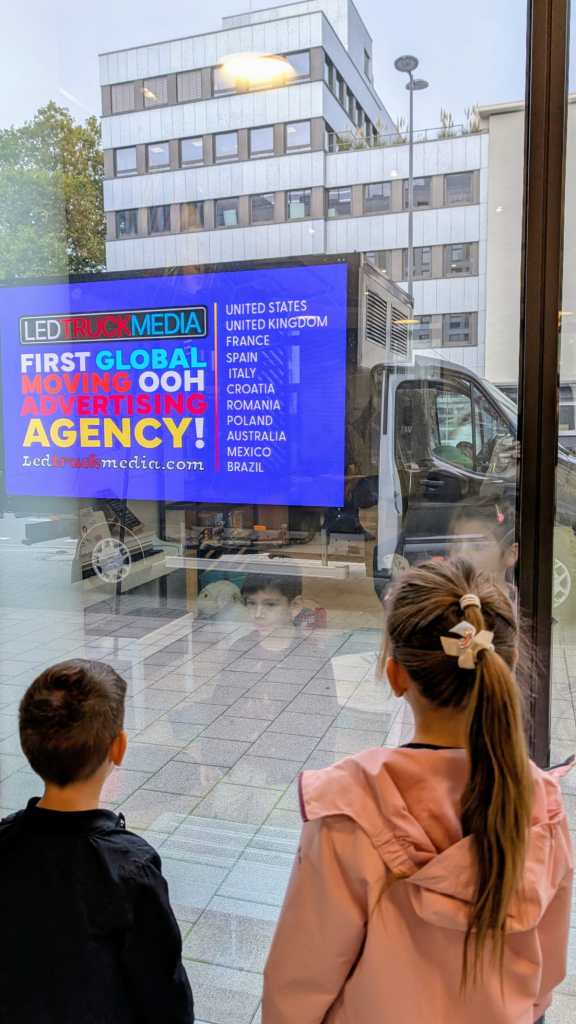
JT: Yes, absolutely! We’re working while we’re here, but in a very different way than back in the U.S. This trip is unique because it’s not just me traveling. It’s a full family adventure, dog included. We decided put everything in storage, and come to Europe with our two kids, ages 4 and 7.
So, while we’re fully engaged with client work and meetings, the day-to-day looks quite different. There are the demands of young kids, the time difference with our U.S. team across both coasts, and the constant adjustment that comes with moving from one country to another. It requires flexibility and creativity to keep everything running smoothly.
That said, it’s been both challenging and rewarding. We like to think we’re proving that it’s possible to combine business with family life (even if we might be the only ones showing up to client meetings with children). In the end, it reflects the spirit of our company: adaptable, entrepreneurial, and willing to do things differently to make it work.
BB: What’s OOH like there?
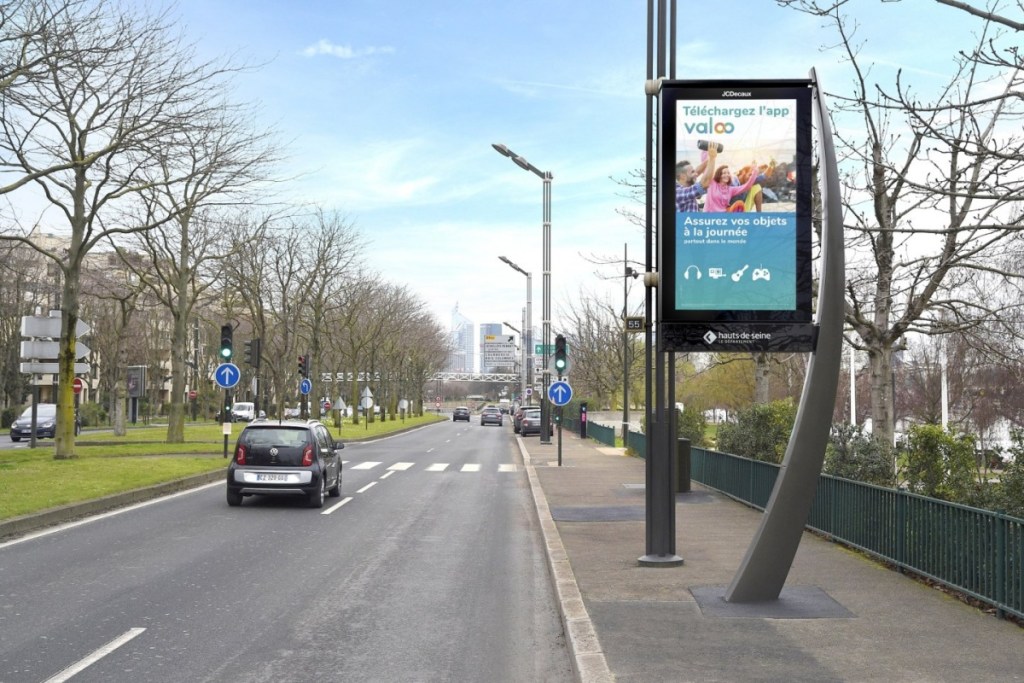
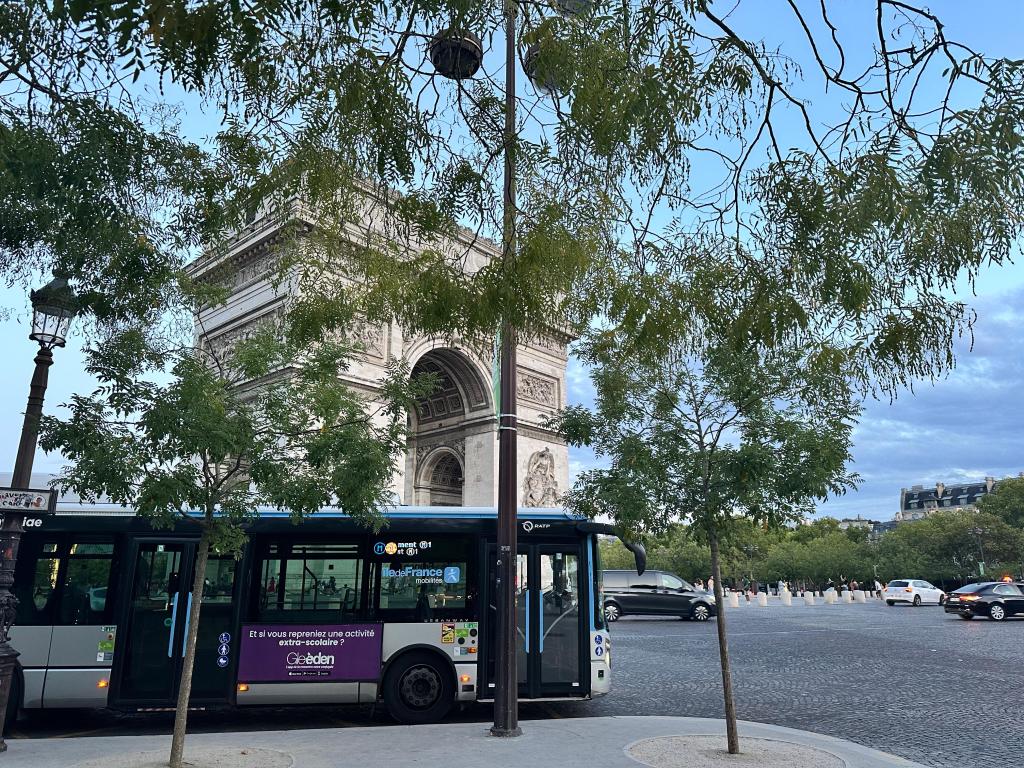
JT: OOH advertising in Europe is quite different from what we’re used to in the U.S. You won’t find massive billboards lining highways like the I-95. Instead, the landscape is much more urban-focused, with smaller billboards integrated into city environments and only a limited number of digital displays. Major players like JCDecaux, Clear Channel dominate, especially across street furniture and transit spaces such as buses, subways, and bus stops, which are key touchpoints in cities like Paris. Moving OOH is still rare, but sustainability plays a central role in shaping the industry, with reducing carbon footprints being a major priority for European countries. Combined with narrower streets, pedestrian-only areas, and historic architecture, these factors create a distinctive environment for OOH advertising that is deeply embedded in daily urban life.
BB: Tell us about the LED truck or general truckside business static or digital in Europe, as it is underserved? If yes, how?
JT: Yes, there is a real opportunity for Moving OOH in Europe, precisely because the market is still far from saturated. From our experience, the main challenge isn’t technical or regulatory; I would say it is about perception. Many media planners and advertisers are still not familiar with moving OOH as a scalable, results-driven channel and often see it as a niche or one-off activation rather than a strategic part of the media mix. That’s why the biggest hurdle right now is education (much like the early days of LED Truck Media in the U.S.).
It’s about showing buyers how this format can deliver hyper-local visibility, run cost-effective and measurable campaigns, and create engaging experiential activations. Once the market understands the impact and flexibility of Moving OOH, the growth potential is enormous, especially in cities where traditional large-format DOOH is limited or restricted.
BB: Are there opportunities for LED Truck Media? Why are there opportunities? What are they?
JT: Yes, there are significant opportunities for LED Truck Media in Europe. As mentioned earlier, the market still has huge untapped potential. Many angles of this channel have not yet been fully explored, creating space for innovative approaches and differentiated offerings across all aspects of moving OOH. LED Truck Media’s solutions go beyond what current players are providing, combining high-impact moving OOH visibility with flexible, data-driven, and experiential campaign formats to adapt campaigns into the streets of the main European markets.
BB: Do you see LED Trucks as a greater opportunity in Europe than in the US? Are there any rules or regulations that restrict or prohibit?
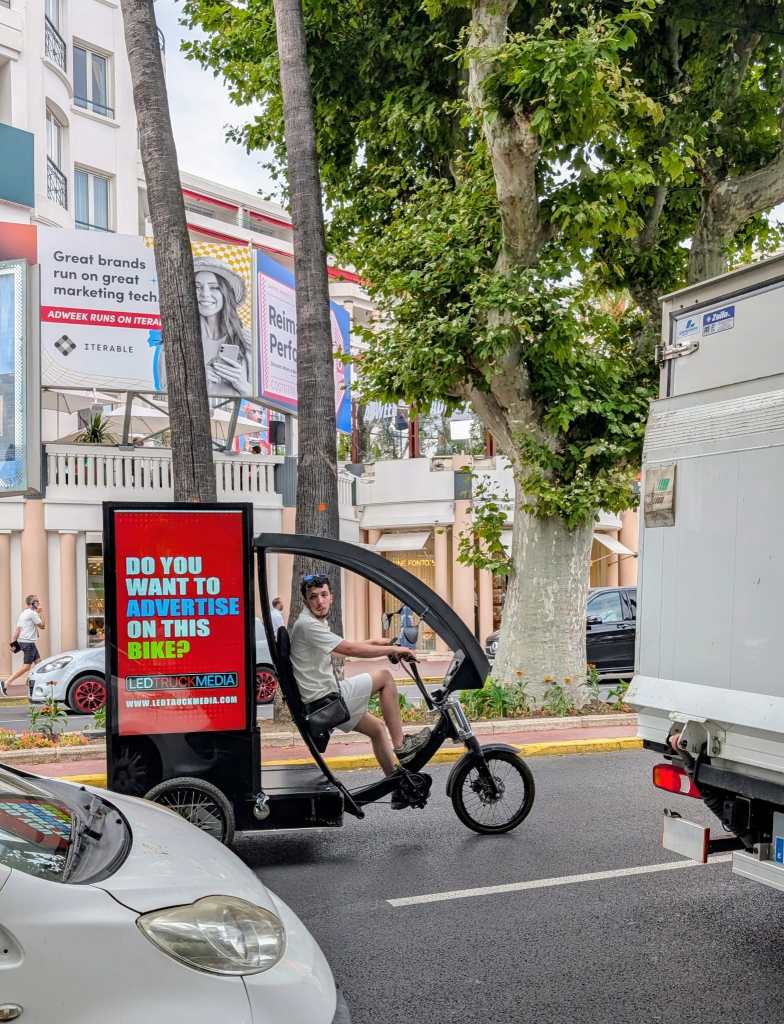
JT: There are strong opportunities on both sides of the Atlantic, but the way we approach them is quite different. In Europe, culture, city design, and infrastructure shape how mobile OOH works. Cities like Paris, Rome, or Barcelona, with their pedestrian zones, narrow streets, and strong focus on sustainability, are perfect environments for LED Truck Media’s bikes. They allow us to reach people up close, in a more personal and environmentally friendly way.
LED trucks still have an important role to play too, especially for broader reach and higher-impact campaigns which will be still our main format and brand yet, there is a lot of opportunities to bring a mix of moving OOH to any European city and campaign which give us the upper hand on campaign effectiveness while bringing our American based ops style which seems to be way more robust from any of the operators we have seen in Europe.
BB: How would LED TM operate differently there than in the US?
JT: Our operations strategy focuses on delivering the renowned level of service we provide in the US to our European clients, while simultaneously expanding options for our US-based clientele. This includes extending office hours with the assistance of local teams, coordinating effectively with US-based management, and adapting to European holidays while maintaining full functionality and operational capacity during the European summer. We have been implementing this approach for a year, and the results have been very positive.
BB: What are the short-term plans?
JT: In the short term, Europe remains an important market for us, and we’re committed to continuing our growth there. The next step will be to return to the U.S. to strengthen and expand our operations while also preparing and planning our next strategic moves in Europe for 2026.


- Advertisement -

